Why Independence Matters for Healthy Aging
For many people, healthy aging is measured in years.
I believe it’s better measured in independence.
The ability to make your own decisions, remain connected to your community, continue doing the things you enjoy, and live safely in the place you call home has an enormous influence on quality of life. While medicine has made remarkable advances in helping people live longer, one of our greatest challenges is ensuring those additional years are lived with purpose, confidence and dignity.
Throughout my career in healthcare, I have come to appreciate that maintaining independence is rarely the result of one significant intervention. More often, it is achieved through many smaller decisions made consistently over time, preventative healthcare, regular vision checks, physical activity, social connection, thoughtful home environments and timely support when it is needed.
Healthy aging is not about avoiding growing older. It is about creating the conditions that allow people to continue living well.
Looking Beyond Individual Conditions
I began my career as an Optometrist in the United Kingdom and later qualified as an Independent Prescribing Optometrist with a specialist interest in glaucoma and the management of complex eye conditions. Although my work focused on eye health, it quickly became clear that no health condition exists in isolation.
A person’s vision affects their confidence to drive, their willingness to leave the house, their risk of falling, their ability to read medication instructions, recognise faces, prepare meals and remain socially connected. Every patient reminded me that healthcare is about far more than treating an individual condition, it is about understanding the wider impact that health has on everyday life.
That perspective continues to shape how I think today.
Whether we are discussing vision, mobility, memory or long-term health conditions, the question I always return to is simple,
How can we help someone remain independent for longer?
Independence Is Built, Not Lost Overnight
Loss of independence rarely happens suddenly, more often, it develops gradually.
Perhaps someone stops driving after dark because they no longer feel confident. They begin declining invitations from friends, shopping becomes more difficult, the garden becomes harder to maintain, preparing meals feels increasingly tiring.
Each individual change may seem small, but together they can begin to reduce confidence, physical activity and social interaction. Supporting independence means recognising these changes early rather than waiting until a crisis occurs.
Prevention Matters
One of the greatest opportunities in healthcare is prevention. We often associate prevention with reducing disease, but it also means preserving independence.
Simple interventions can make an enormous difference:
Regular health and medication reviews.
Routine eye examinations and hearing assessments.
Strength and balance exercises to reduce the risk of falls.
Safe, well-designed home environments.
Maintaining social connections and meaningful activities.
Seeking support before everyday tasks become overwhelming.
None of these interventions are dramatic on their own, together, however, they can help people continue living independently for many years.
Families Shouldn’t Wait for a Crisis
One of the most common conversations I have with families is about timing - many people assume that accepting support represents a loss of independence when in reality the opposite is often true.
The right support, introduced at the right time, can help someone remain in control of their life for much longer.
Whether that support comes from family members, neighbours, community organisations or professional caregivers, its purpose should always be the same: enabling people to continue living life on their own terms. When support is introduced early, it often preserves independence rather than replacing it.
Communities Play a Role Too
Healthy aging is not the responsibility of healthcare providers alone, communities, businesses, charities, local governments and neighbours all contribute to creating environments where older adults can continue to thrive.
Simple things matter. Accessible public spaces, reliable transport, opportunities for social connection. Healthcare professionals working collaboratively, supportive local services.
When communities value independence, everyone benefits.
Looking Ahead
As healthcare continues to evolve, I believe we must increasingly judge success not only by how long people live, but by how well they are able to live.
Helping people remain healthy, confident and independent is one of the most meaningful goals we can pursue. It requires prevention rather than reaction, collaboration rather than isolation, and a recognition that healthcare extends far beyond hospitals and clinics.
Every conversation, every service and every decision should begin with a simple question:
Will this help someone maintain their independence?
If the answer is yes, we are moving in the right direction.
About the Author
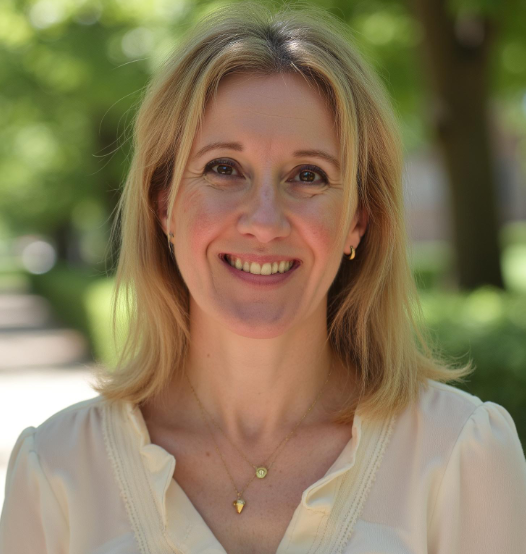
Sarah Peaceful is a Nevada based healthcare entrepreneur and former UK Independent Prescribing Optometrist with more than 25 years of experience across community healthcare, clinical leadership and healthcare entrepreneurship. As Founder of Always Best Care Henderson & Boulder City, she is passionate about advancing healthy aging, independent living and compassionate community healthcare.
If you enjoyed this article, you may also be interested in future insights on healthy aging, community healthcare and supporting older adults to live independently.
Further Reading
The following organizations provide excellent evidence-based information on healthy aging, preventive healthcare and supporting independence in later life: